
Arguing the case
<< Back to Action homepage : < Back to Step 5: Meet your MP
Whether you're lobbying your MP or talking to members of the public, you're bound to meet with some questions.
Here are some ideas for how you can respond to the arguments most commonly wheeled out in defence of the UK's support for arms exports.
- "The UK only supports legitimate arms exports. Arms exports are subject to tight controls"
- Responsible defence exports help governments ensure that their people enjoy security."
- "Arms exports are vital for the UK's national security"
- "We should support our military and the British companies who support them"
- "The UK supports an Arms Trade Treaty"
- "Arms exports are vital for jobs and the economy."
"The UK only supports legitimate arms exports. Arms exports are subject to tight controls"
This one depends on your definition of 'legitimate'.
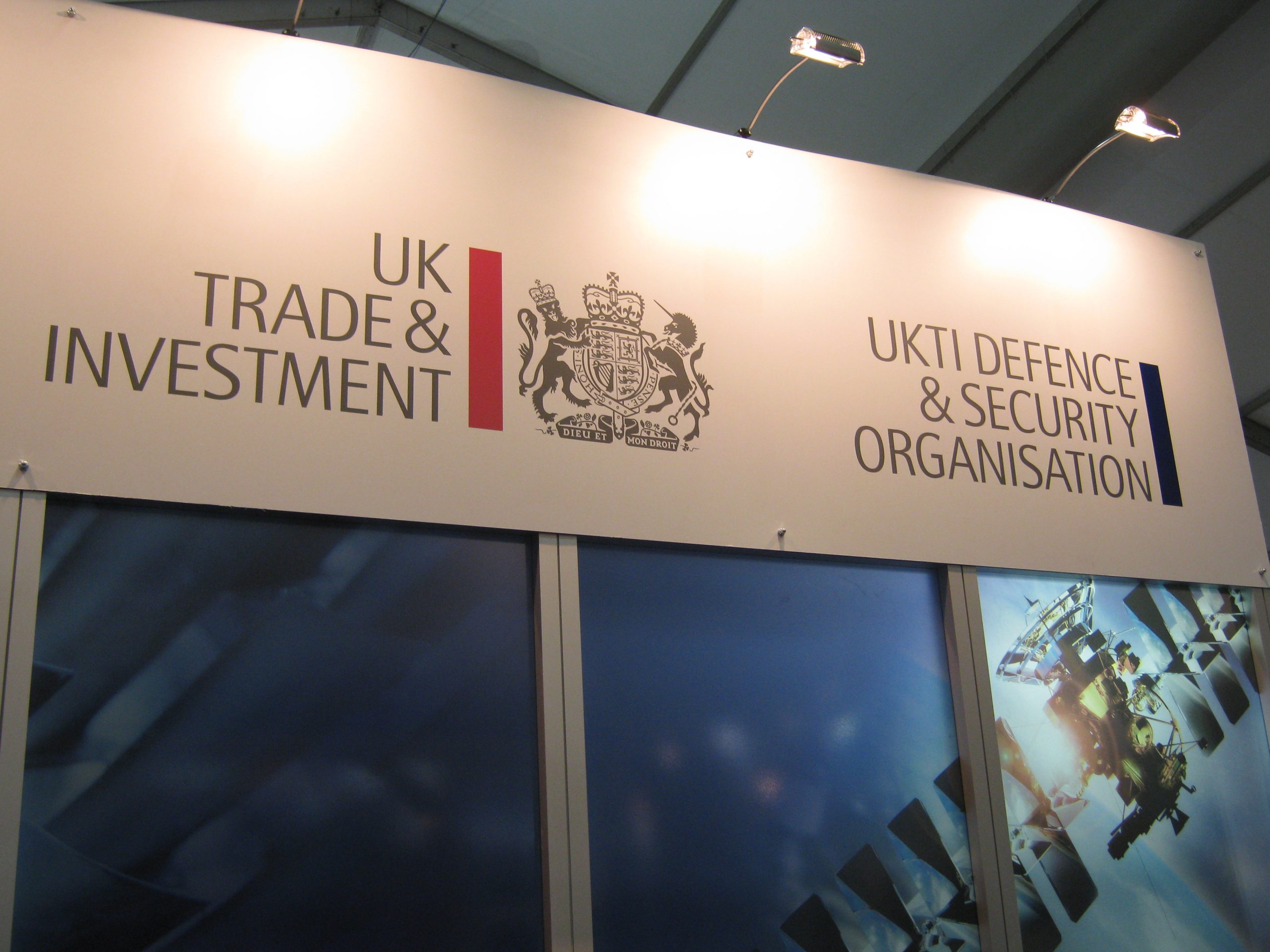
UKTI DSO actively promotes arms sales to countries involved in conflict. Arms exports facilitate and prolong conflict and, in modern warfare, the casualties are overwhelmingly civilian. In 2008, the UK sold arms to 11 of the 15 countries that were experiencing at least one major armed conflict.
UKTI DSO also actively promotes arms sales to governments with records of sustained human rights abuses including China, Iraq, Israel, Pakistan and Saudi Arabia. The Foreign Office (FCO) publishes an annual Human Rights report. Its most recent edition listed 21 "major countries of concern", apparently unembarrassed that another FCO report identified ten of these as recipients of UK arms during the same period.
Responsible defence exports help governments ensure that their people enjoy security."
Arms exports don't make this world a safer place. They fuel conflict and insecurity around the world.
The conflict between India and Pakistan makes South Asia one of the most volatile regions of the world, yet the UK supplies weapons and weapon parts to both. Does this make the people who live in either country feel more secure?
Despite the frequent use of arms by Israel against Palestinian civilians and southern Lebanon, the UK government continues to licence the export of military equipment to Israel. What security does this afford those killed, injured or bereaved by the use of such weapons?
The UK government's support for BAE Systems' arms sales to Saudi Arabia trumps all other policy objectives, overlooking the country's record of human rights abuse and corruption. The Saudi Arabian government even threatened to cut off security co-operation with the UK to stop the Serious Fraud Office investigation into these sales. Are these military exports to Saudi Arabia "responsible"? Do they really help Saudi, or UK, citizens enjoy security?
"Arms exports are vital for the UK's national security"
Arms sales guarantee neither peace nor security. History shows that using arms exports as a policy tool can go horribly wrong and that it certainly didn't work for past governments: arming the Shah in Iran didn't prevent the tanks falling into the hands of the ayatollahs and selling arms to Argentina didn't stop the invasion of the Falklands. In the Falklands conflict British troops came face to face with UK produced arms.
Once military equipment has been exported we have little control over how it may be used. The current government has recently made high-level political interventions to help arms companies sell to Libya. Does arming Libya increase the UK's security?
UKTI DSO's goal is sell arms overseas, not to help provide the best military equipment for the UK armed forces. Its concern is business, and the market leads them to focus on countries including Iraq, Libya, Pakistan and Saudi Arabia. Political situations can change substantially but company profits clearly outweigh concerns over the possible future use of weaponry against the UK armed forces. Climate change is widely recognised as the greatest threat to global security, but as it is not a military problem with military solutions it barely registers when the UK Government allocates resources to "security". The costs to UK prosperity of indulging in US-led wars are considerable; the costs of not addressing environmental threats are likely to overshadow these.
"We should support our military and the British companies who support them"
Whatever your views on the armed forces, it is clear that the UK military and the arms companies are entirely different types of bodies with entirely different interests. An arms company's goal is to make profit for its shareholders, not to serve a particular country's national interest.
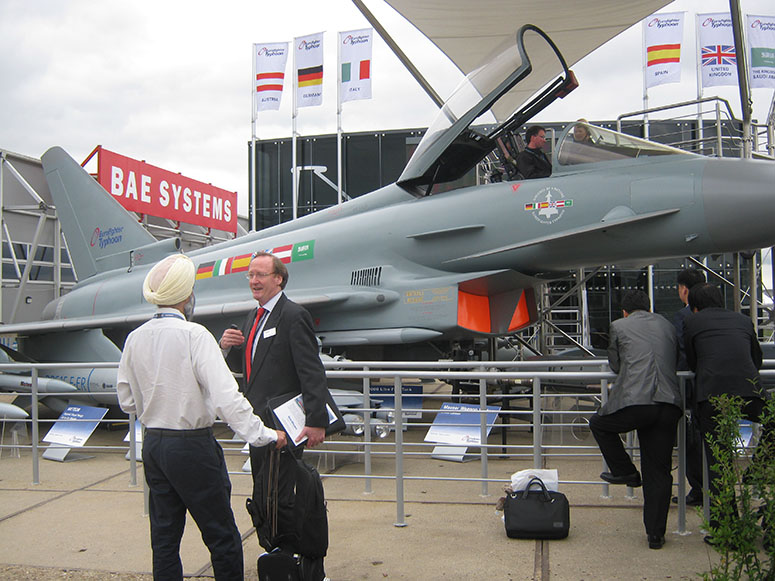
Like other large companies, arms manufacturers will move wherever they can gain markets and profits for shareholders, and that is often outside the UK. BAE Systems is a case in point. While its recent advertising campaign plays on its British roots with union flags galore, it employs more workers in the US than the UK. Its biggest markets and factories are in the US, while it is building other "home markets" in Saudi Arabia, India, Sweden, South Africa and Australia. BAE gives priority to British needs only as long as these coincide with profits.
The "myth" of a British arms industry can, in fact, have negative effects on the UK military. Defence writer Lewis Page argues that "the armed services have long been compelled to pay wildly excessive prices for equipment in order to preserve jobs in the British arms sector. We must pay double or triple the price, often for inferior products, in order to preserve 'sovereignty'." while, as Page says, "'Sovereignty' is a joke."
"The UK supports an Arms Trade Treaty"
CAAT supports the idea of an Arms Trade Treaty (ATT) in principle, which could strengthen the hands of governments trying to prevent the circulation of small arms. However, it does not address the wider arms trade and problems associated with it.
The Foreign & Commonwealth Office (FCO) has told CAAT that the ATT will not prevent any UK sales. This was reinforced by the Defence Manufacturers Association's DMA News, Jan 2006, which said the DMA believes "the eventual Treaty would not bring new obligations for UK industry." It is clear that the deals the companies find most lucrative, such as those to Saudi Arabia, Israel, India and Pakistan, would continue unabated. The ATT is supported by the arms industry; unsurprisingly, since the FCO says it: "will be good for business, both manufacturing and export sales."
As currently envisaged by the UK government, the ATT allows the Government to create the impression it is taking action, whilst it continues to support the arms companies in their deadly business.
"Arms exports are vital for jobs and the economy."
The government clings to this argument as it is the only line the UK public will accept when it comes to selling arms. It is a myth perpetuated by the arms industry.
Arms export jobs make up 0.2% of the UK workforce and arms exports comprise only 1.5 per cent of total exports. Even this is an overestimate of importance as many of the components of UK arms exports were imported in the first place (approximately 40 per cent of the value of the exports).
Add to this the fact that the arms industry is already receives heavy subsidies, ranging from arms promotion, to subsidised export insurance and research & development (R&D) support. The best available information indicates a subsidy in the range £500 million to £1 billion. Even at the lower end this would mean that each arms export job was subsidised by £9,000 each year.
This means economic activity is skewed towards arms production, rather than other more useful sectors. The Government could choose to support other sectors that will provide long-term benefit and are urgently needed, yet UKTI devotes more staff to arms sales as to every other industry sector combined. UKTI's support for the arms industry is totally disproportionate to its contribution to the economy.
The arms industry argues that investment in the arms industry will help kickstart a recovery from recession. However, even the defence minister Quentin Davies MP has stated that it is labourintensive industries that stimulate the economy, adding "this is not the case with defence: defence is capital intensive rather than labour-intensive".
READ MORE: See CAAT's briefing Arms Trade Jobs
Download the full campaign action guide
Talk to us!
Please let us know what action you take and any response you receive, so we can see how the campaign is progressing and use your success to inspire others. Email our Core Campaigns Co-ordinator campaign(at)caat·org·uk or call 020 7281 0297