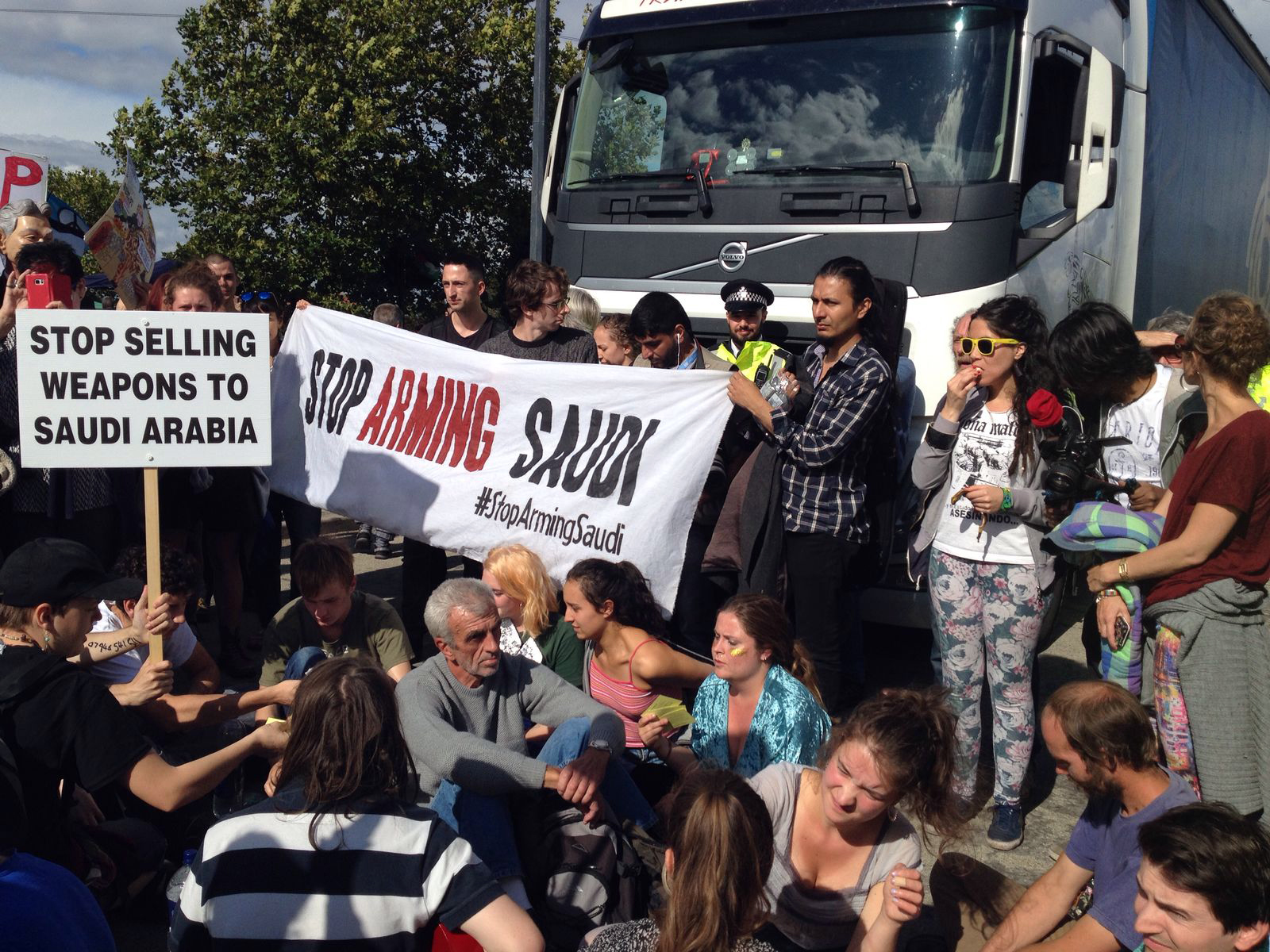
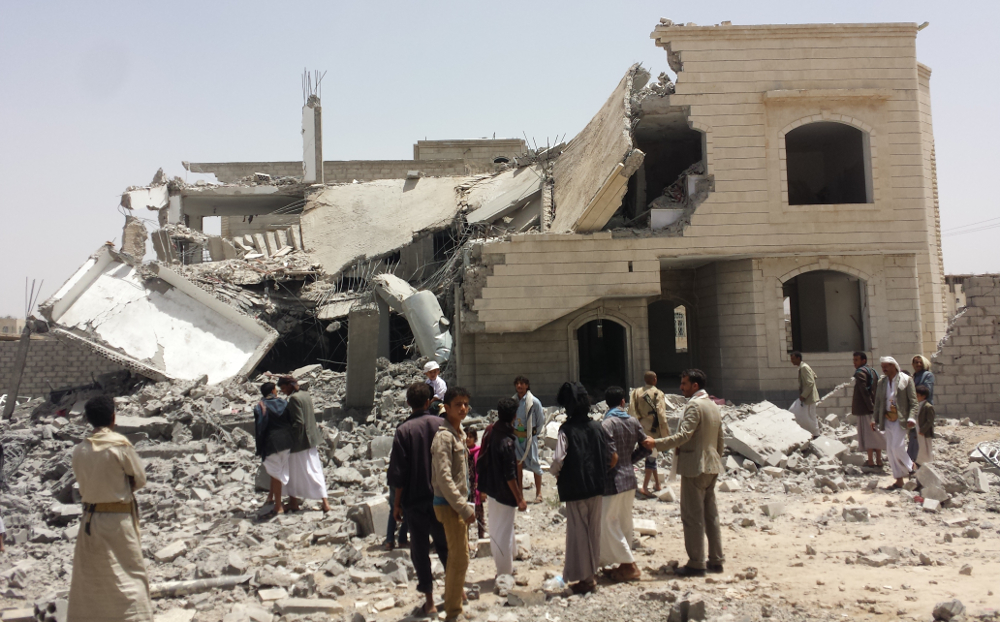
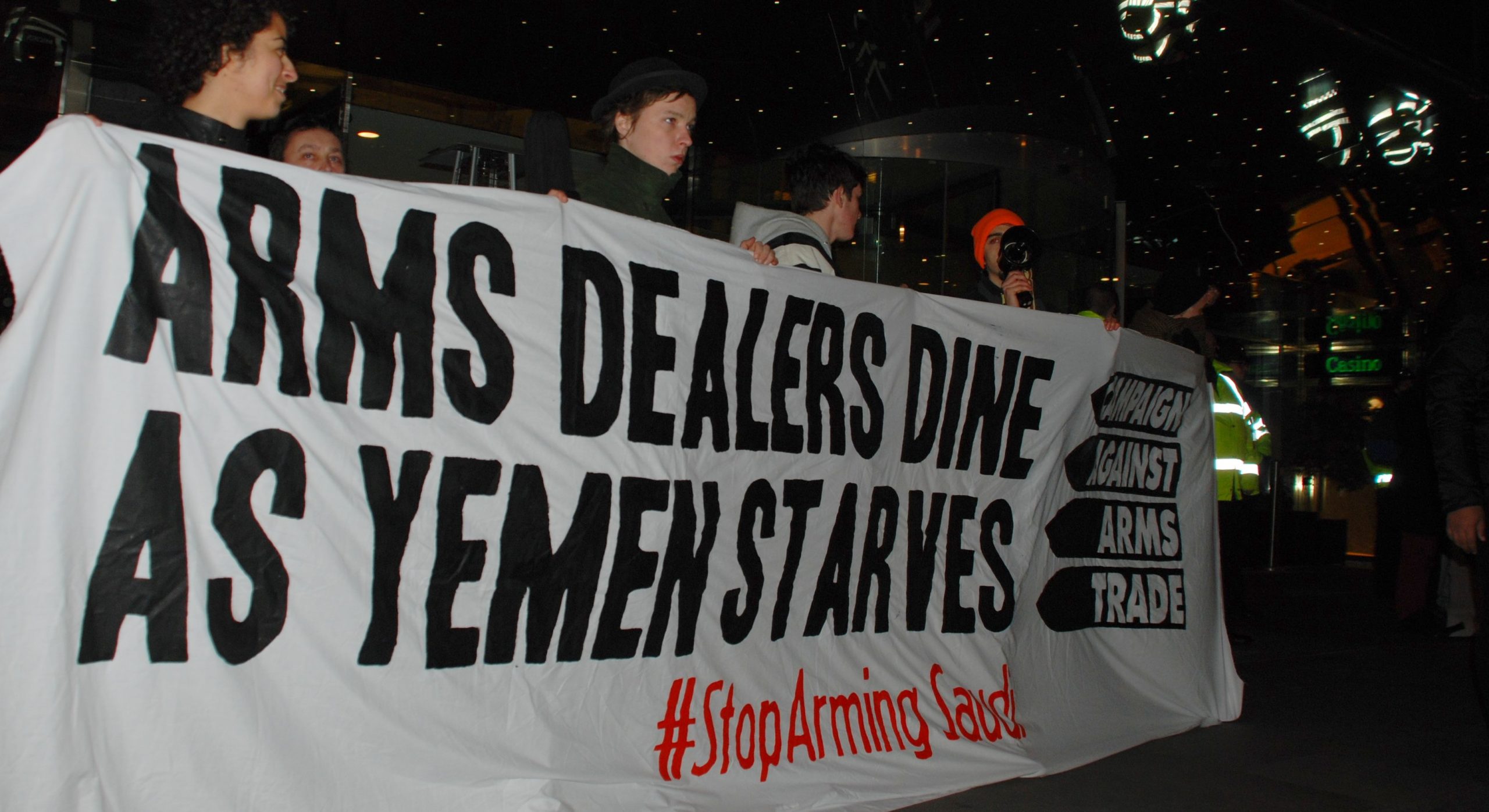
Saudi Arabia is a major buyer of UK weapons, and has been since the 1960s. The UK government is intimately involved in these deals as they are operated through Government-to-Government contracts. These contracts are complemented by those between the UK government and the prime contractors.
Over 280 UK Ministry of Defence civil servants and military personnel work in the UK and Saudi Arabia to support the contracts through the Ministry of Defence Saudi Armed Forces Programme (MODSAP) and the Saudi Arabia National Guard Communications Project (SANGCOM). They are paid for by the Saudi Arabian government.
The Al Yamamah deals
The Al Yamamah (dove) agreements of the mid-1980s were between the Thatcher government in the UK and the Saudi Arabian government. Military equipment, especially Tornado and Hawk jets, were to be supplied by what is now BAE Systems. The deals also included servicing, spares and ancillary services.
Financing
Al Yamamah was originally designed as a barter agreement with Saudi Arabia paying in oil. However, an oil price crash in the mid-1980s meant that the UK government had to use its Export Credits Guarantee Department (ECGD), now UK Export Finance, to underwrite the deal for £1 billion. The Bank of England and the Treasury had doubts about these arrangements. Concern about the risk to UK taxpayers continued through the decades. In 2002, for instance, the Chief Secretary to the Treasury wrote:
I remain concerned about ECGD taking on liabilities for £1billion for a single transaction which … if called would lead to ECGD having to pay a claim for the full £1 billion in one fell swoop.
The cover did not end until 2008 when BAE stopped it just before a highly critical report from the Organisation for Economic C ooperation and Development regarding the corruption allegations.
The Salam Project and SBDCP
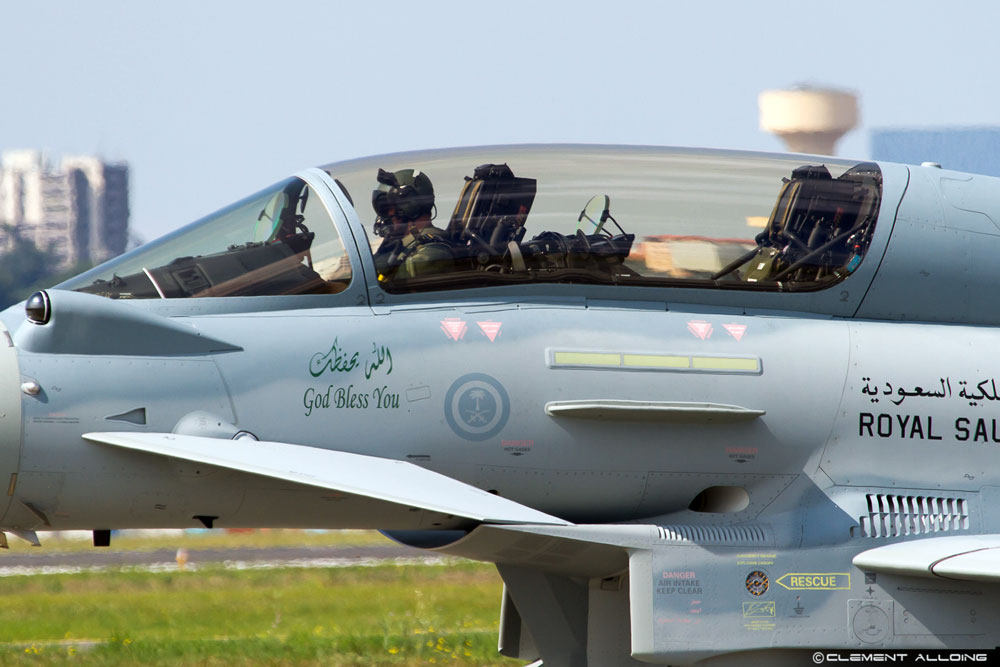
In 2007, BAE sold 72 of its Eurofighter Typhoons to Saudi Arabia in a £4.4 billion deal called The Salam (peace) Project. Preliminary agreements between the UK and Saudi governments were signed in December 2005 and August 2006, and the detailed contract was signed in September 2007. Outstanding price issues were finally agreed in February 2014 after a visit, and sword dance, from Prince Charles. The Janadriyah festival, at which the sword dance took place, is supported by BAE.
The Typhoons replace the Air Defence Variant Tornados supplied under the Al Yamamah deals; the remaining Tornados continue to be upgraded and serviced under what is now called Saudi British Defence Co-operation Programme.
During a visit to the UK in March 2018, Crown Prince Mohammed bin Salman signed a letter of intent to buy a further 48 Typhoons.
Corruption investigations
Corruption has been a recurrent feature with regards to arms deals to Saudi Arabia. Government records from the late 1960s and early 1970s, show that the corruption was known about by officials in the Government’s Defence Sales Organisation who turned an amused blind eye. In a 1971 letter the then UK Ambassador to Saudi Arabia described Prince Sultan, Saudi Defence Minister then and still today, as having a corrupt interest in all contracts ..
Rumours of corruption over the Al Yamamah deal started almost as soon as the contract was signed. The Government’s spending watchdog, the National Audit Office, investigated, but the 1992 report has never been made public.
The allegations continued, many the subject of reports in The Guardian. In 2004, following revelations about a £60 million slush fund, the Serious Fraud Office (SFO) began an investigation. There were further allegations in June 2007 that BAE, with approval of the UK’s Ministry of Defence, had made payments worth hundreds of millions of pounds since 1985 to bank accounts under the personal control of Prince Bandar, the son of Prince Sultan.
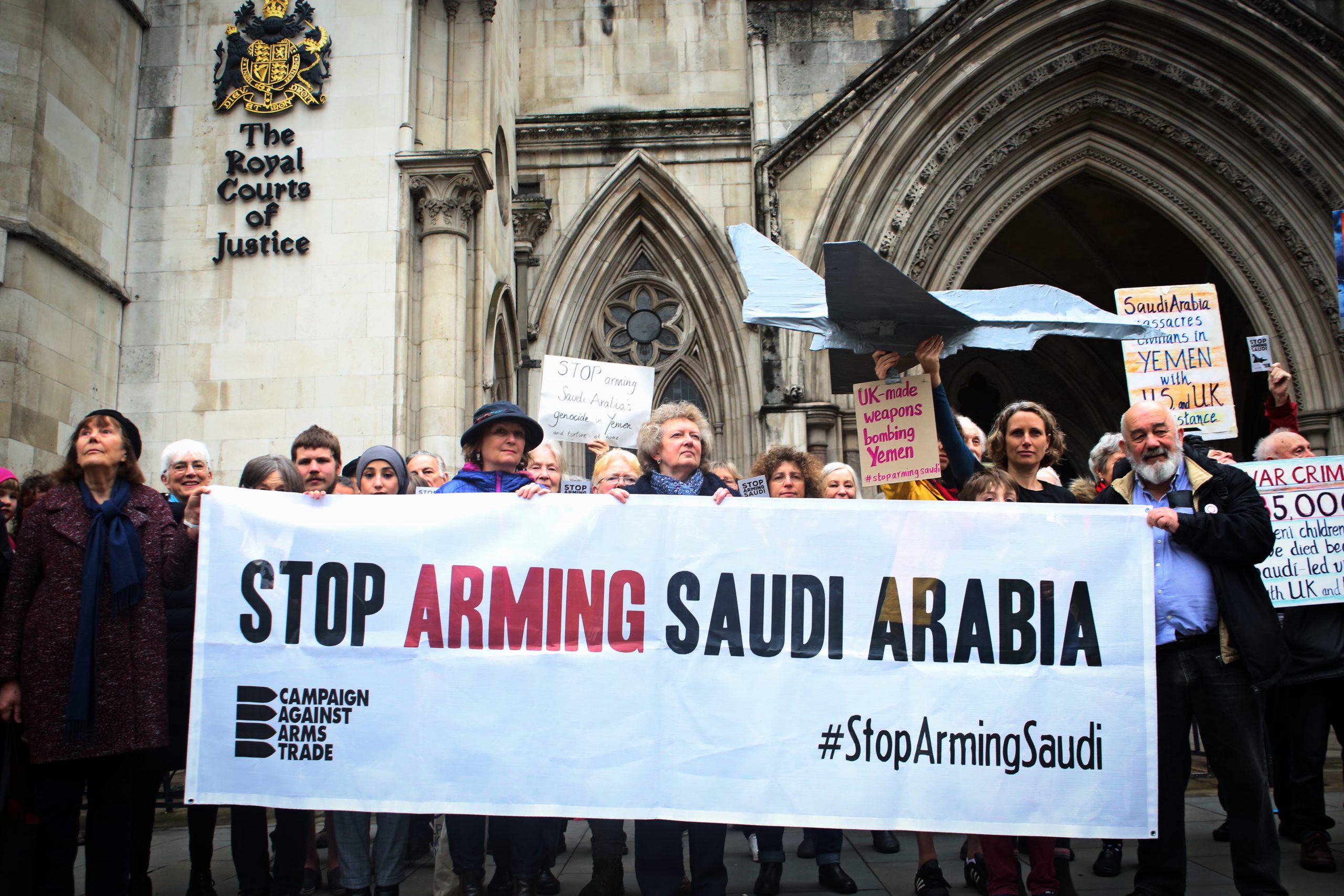
On 14th December 2006 the SFO announced that it was stopping its investigation. CAAT and The Corner House challenged the decision in the courts. In April 2008 the High Court ruled that the SFO had acted unlawfully in curtailing the inquiry, but this ruling was overturned by the House of Lords on 30th July 2008.
The allegations around Al Yamamah surfaced again in the United States. On 1 March 2010 BAE pleaded guilty in the United States District Court in Washington DC to conspiring to defraud the US by impairing and impeding its lawful functions, to make false statements about its Foreign Corrupt Practices Act compliance program, and to violate the Arms Export Control Act and International Traffic in Arms Regulations. The company was fined $400 million, one of the largest criminal fines in the history of the US DoJ’s effort to combat overseas corruption in international business and enforce US export control laws.
Following allegations by whistleblowers, in August 2012 the SFO began a criminal investigation into GPT with respect to SANGCOM. In 2020 a prosecution was finally announced.